

The next generation asset class.
A Brand Community Place integrates global brands into a mixed-use location that combines all daily functions and carries a strong, experiential brand identity. For this, we have developed individual Ecosystems.
- Fläche
- Vermietung
- Objekt
- Mieter
- Einzelnutzung
- Lage allein
- kuratierte Nutzung
- Plattformlogik
- Destination
- Community
- hybride Ertragsmodelle
- Lage plus Relevanz
✦ Experience & live identity
✦ Community belonging
✦ Brands as lifestyle anchors
✦ Daily emotional connection
✦ Mixed-use: Pure daily life
A Brand Community Place integrates global brands into a mixed-use location that combines all daily functions and carries a strong, tangible brand identity. To achieve this, we have developed individual Daily Life Ecosystems to embed brands into everyday life.


The market is moving on several fronts simultaneously — and precisely this simultaneity opens the window for Branded Real Estate Ecosystems. Brands want to be curated and integrated into real estate, instead of just renting spaces: They are looking for physical places where they can be experienced and become part of their target group's daily lives. For this to work, a scalable platform logic for mixed-use assets is needed — a system that brings together various uses, brands, and services according to the same principle, instead of negotiating each space individually. What's more: Retail properties are undergoing structural change and are losing relevance as pure sales areas, which forces owners to rethink their portfolios.
On the demand side, the same trend is intensifying. Users expect experience and community-oriented spaces instead of anonymous areas — places where they can spend time, meet, and return. Cities promote more active, multifunctional places because single-purpose use and vacancies weaken urban quality. And capital is looking for new, more resilient asset classes that are less dependent on individual tenants and market cycles. What appears as an individual trend, together forms a clear direction — and a gap that traditional real estate models cannot fill.
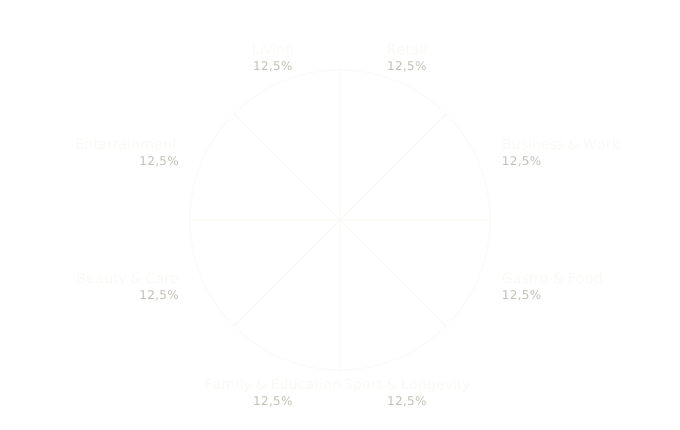
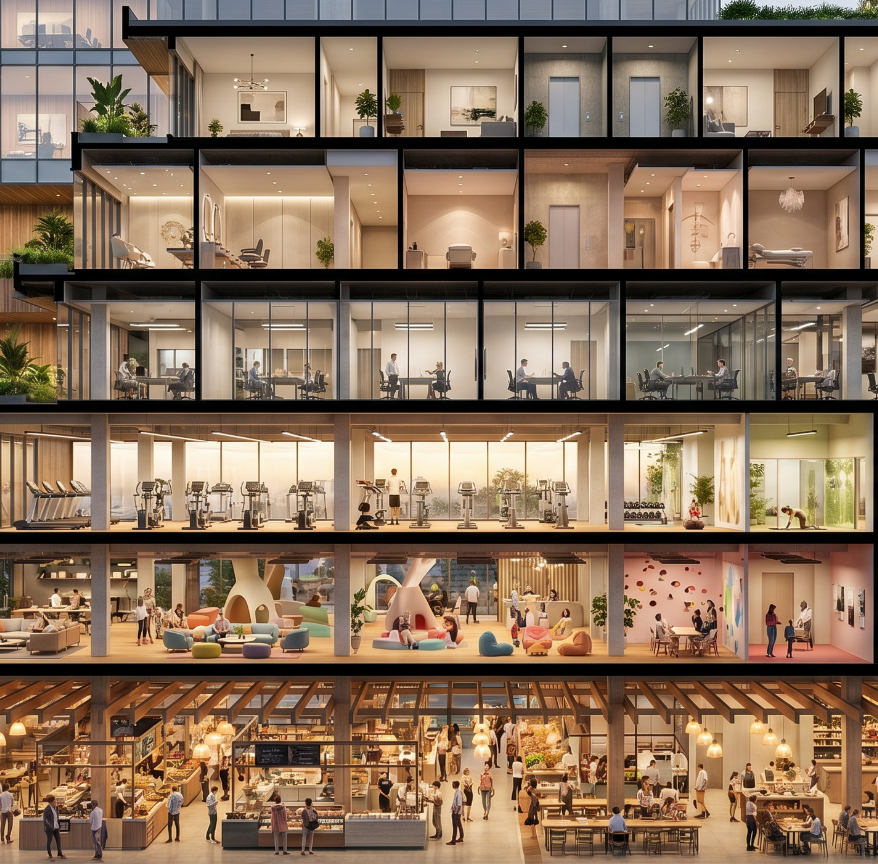
For every building use, we develop the right ecosystem of brands, experience, and community.
• Declining visitor numbers in traditional malls
• Malls offer no cultural or social significance
• Brands lack direct community access
ECOSYSTEM 1 develops the strategic foundation for transforming traditional shopping centers into vibrant, future-proof destinations.
The focus is on transforming from mere space rental to a curated ecosystem encompassing living, working, dining, sports, wellness, entertainment, family, and community. This creates places where brands come alive, and visitors not only shop but also linger, interact, and become part of a community.

ECOSYSTEM 2 supports the development of real estate projects towards brand-driven, experiential living environments. The focus is no longer solely on architectural realization, but on the role a place plays in the everyday lives of people and brands.
Instead of interchangeable real estate development, Brand Living Worlds are emerging – integrated environments where living and community are seamlessly connected.
We combine real estate development with brand DNA to create a holistic approach for sustainable projects.

ECOSYSTEM 3 addresses the transformation of traditional office properties into flexible, brand-driven multi-use structures. The focus is on the shift from a monofunctional office building to an all-day destination.
Instead of mere office spaces, Multi-Brand Houses are emerging – hybrid buildings where brands become tangible in everyday life. Living, working, wellness, sports, family, and community offerings combine to form a curated ecosystem.
ECOSYSTEM 3 combines asset strategy, usage concept, and brand integration into a sustainable operating model for evolving office properties.

ECOSYSTEM 4 describes the transformation of traditional hotel concepts into long-term, experience-driven, brand-led membership environments. The focus is on the shift from purely temporary stays to an integrated part of urban lifestyles.
Instead of traditional hotels, Brand Membership Houses are emerging – hybrid hospitality concepts that connect accommodation, lifestyle, and community into curated brand experiences.
ECOSYSTEM 4 combines hospitality strategy, brand development, and community building into a sustainable operating model.
Despite digitalization, physical presence remains essential for: brand loyalty, trust, experience, community building. The Window of Opportunity: Those who recognize the potential of market development now will dominate the category.
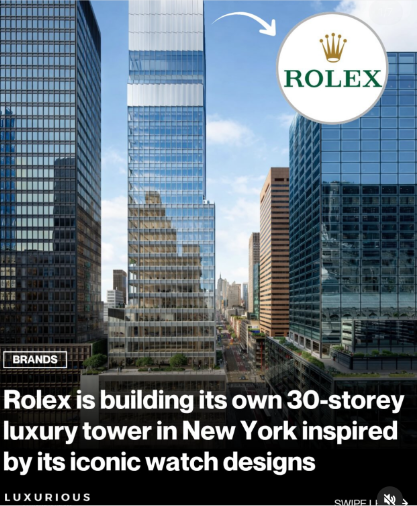
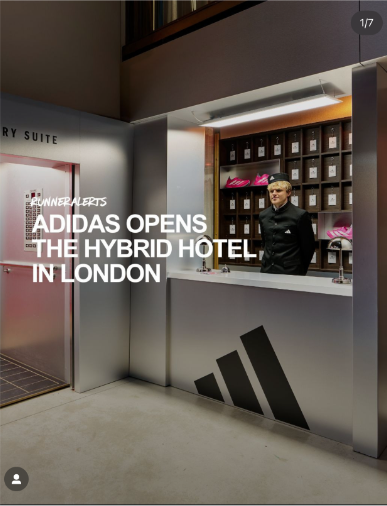
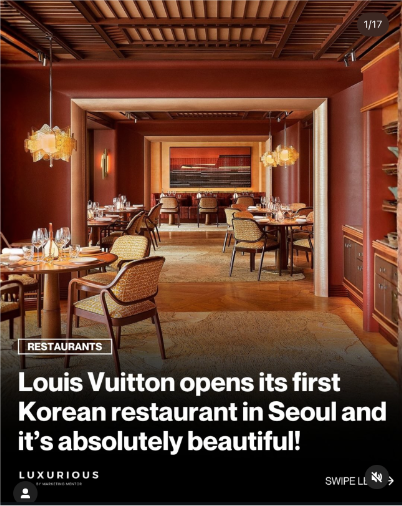
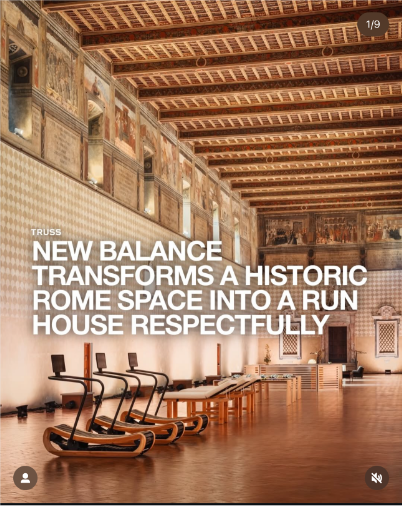
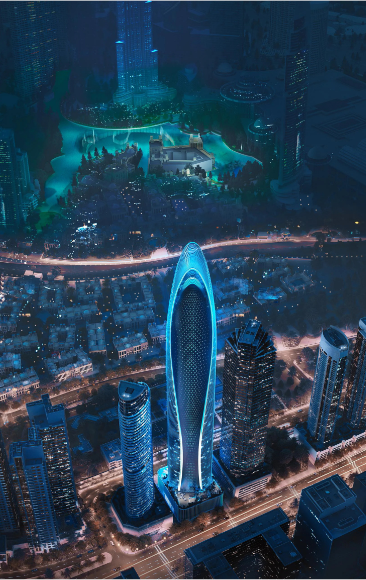
The World’s First Mercedes-Benz Branded City in Dubai
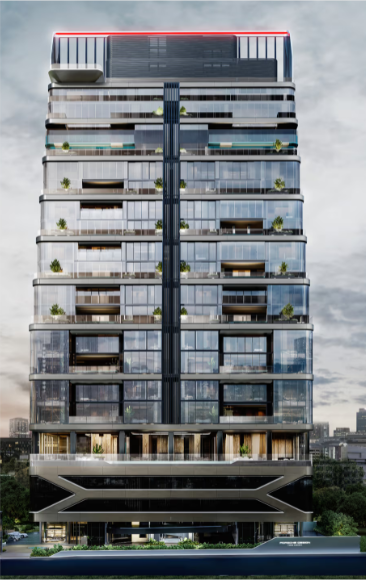
Porsche Design and Ananda Development - Porsche Design Tower in Asia
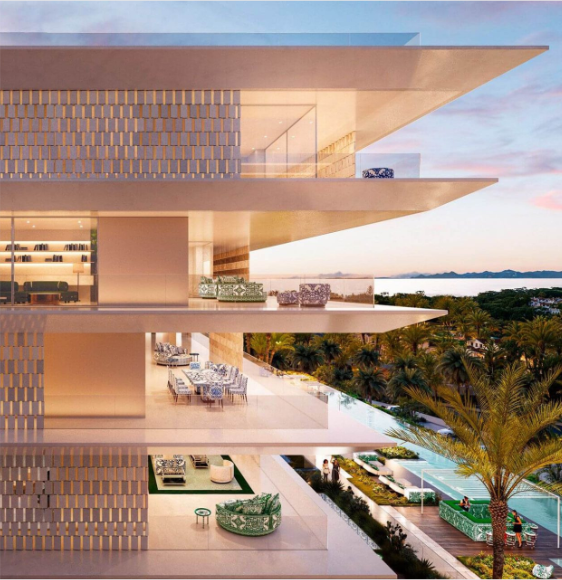
Design Hills by Dolce & Gabbana in Marbella
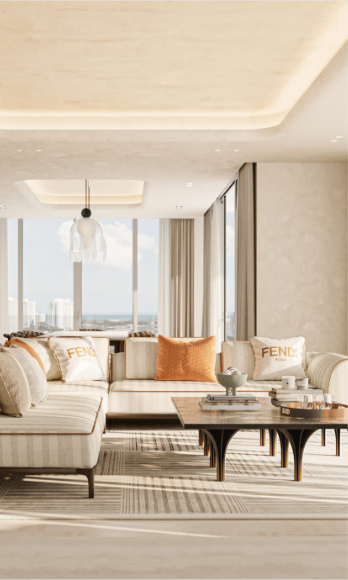
FENDI Casa in Aventura, South Florida
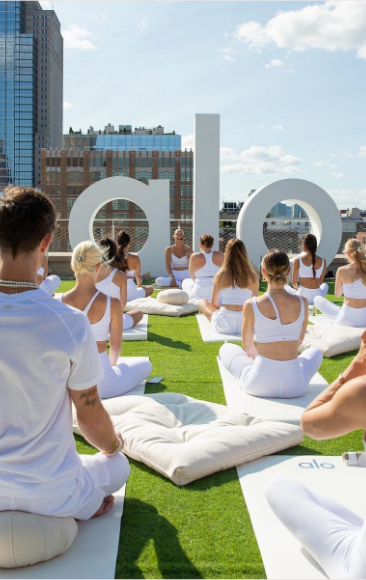
ALO creates Yoga Sessions and Community Building.
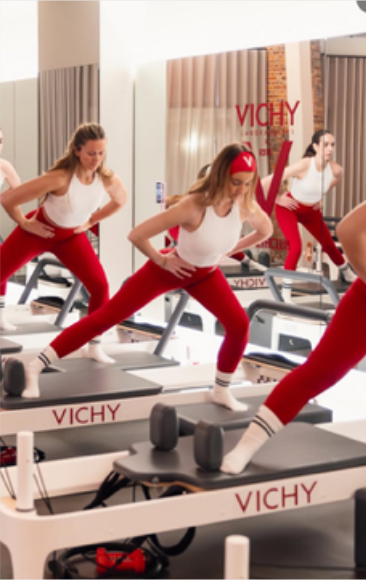
VICHY sells sport, style, and community.
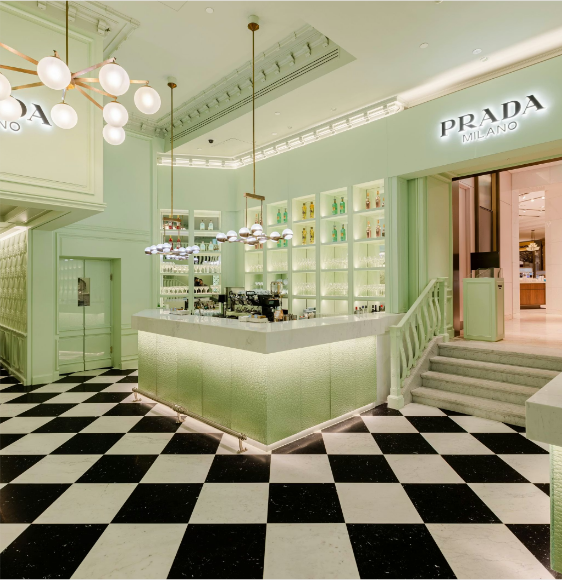
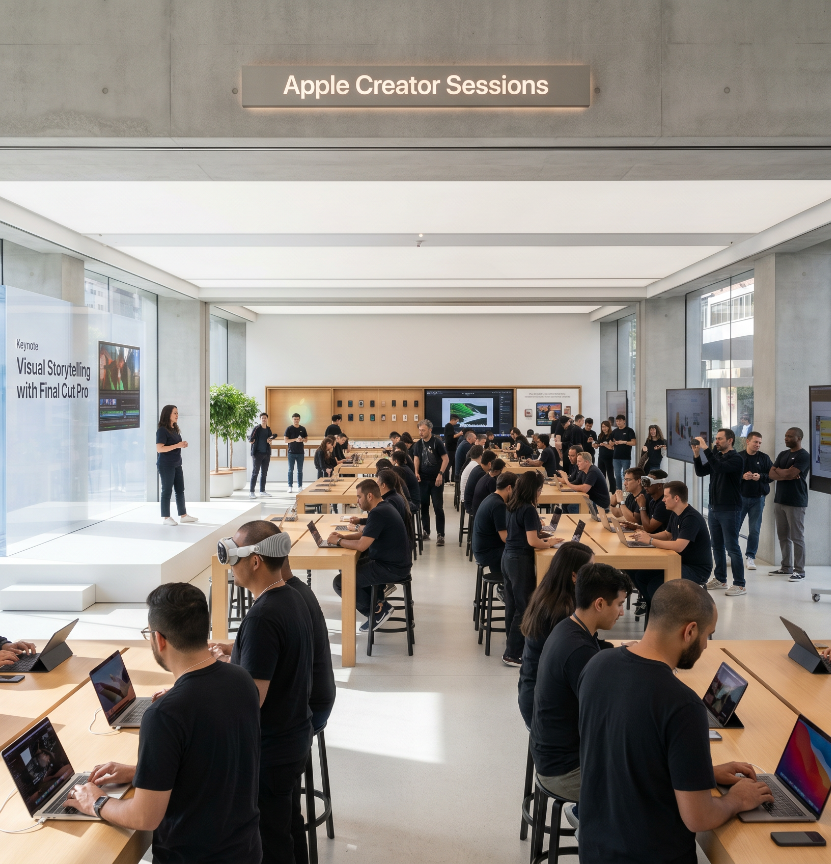
Prada sells coffee, experiences, and stays.
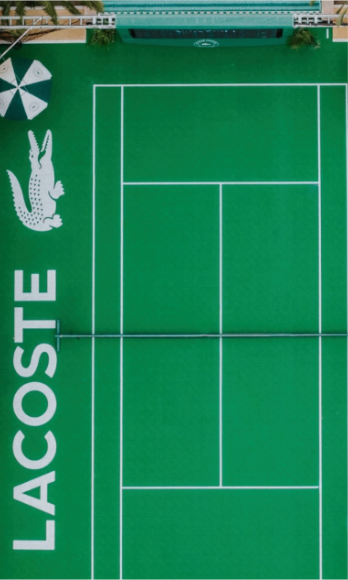
Lacoste opens tennis clubs.


Sounds interesting? Feel free to send us a contact request and we'll get back to you shortly.


.svg)
.svg)